Nature’s Beautiful but Dangerous Guardian on Saint Martin’s Beaches
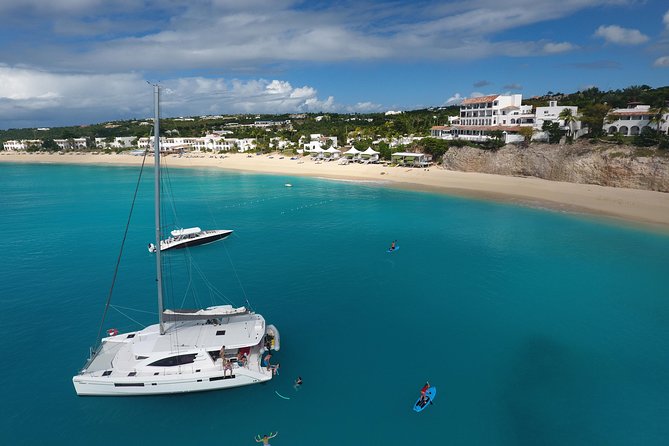
Manchineel Tree Beach Dangers. Nature’s Beautiful but Dangerous Guardian on Saint Martin’s Beaches. Saint Martin is famous for its stunning beaches, from Orient Bay’s lively sands to the tranquil seclusion of Happy Bay and Petites Cayes. The island’s naturist-friendly spots, such as Tintamarre Island, Pinel Island, and Baie Rouge, draw visitors seeking to connect with nature and experience freedom. However, amidst these paradisiacal settings lies a silent danger: the manchineel tree (Hippomane mancinella). Found in and near forests and beaches, this beautiful yet hazardous tree is one of nature’s deadliest creations.
What is the Manchineel Tree?


The manchineel tree is native to tropical regions, including the Caribbean islands like Saint Martin / Sint Maarten. On the island, it often grows near popular naturist beaches, including Orient Bay and Baie Rouge, as well as along the hiking paths to Happy Bay and Petites Cayes. The tree is easily recognized by its glossy green leaves and small, green-yellow apple-like fruits. Although its appearance may seem harmless, the tree is highly toxic.
The manchineel’s sap, fruit, and even its smoke from burning wood can cause severe harm. Whether you’re exploring naturist beaches or hiking to secluded spots like Petites Cayes, it’s crucial to identify and avoid this tree to enjoy your experience safely.
Toxic Traits of the Manchineel Tree
The manchineel tree earned its infamous nickname, the “Tree of Death,” due to its dangerous properties. Here’s why it poses a threat to visitors:
- Poisonous Fruit
The tree produces small fruits that resemble apples, tempting in appearance but deadly if consumed. Eating the fruit can lead to severe burns in the throat, vomiting, and even life-threatening reactions. The fruit’s toxicity has made it a weapon in history, used by indigenous peoples for hunting and warfare. - Irritating Sap
The tree excretes a milky sap containing powerful toxins like phorbol. Contact with the sap can cause blisters and burns on the skin. On naturist beaches like Orient Bay or Pinel Island, the shade of a manchineel tree might seem inviting, but standing under it during rain is dangerous. Raindrops can carry the sap onto your skin, resulting in painful burns. - Harmful Smoke
Burning the wood releases toxic fumes that can irritate the eyes and respiratory system. Smoke exposure can lead to temporary blindness or severe discomfort. This makes the tree’s wood unsuitable for campfires, especially for those exploring isolated beaches like Tintamarre Island. - Contact Dermatitis
Brushing against the leaves or bark can cause a painful rash. Naturist beachgoers and hikers should remain vigilant, especially when exploring trails or lounging near forested areas.
Where the Manchineel Grows
The manchineel thrives in both forests and coastal areas. Its presence along the edge of Saint Martin’s beaches serves a purpose beyond danger:
- Coastal Stabilization
On beaches like Baie Rouge and Happy Bay, the manchineel tree’s roots play a vital role in preventing erosion. Its extensive root system helps anchor sandy soils, protecting the coastline from waves and strong winds. - Adaptability to Salty Environments
The tree’s ability to grow in saline, nutrient-poor soils makes it a common sight along the shoreline. This resilience allows it to dominate areas like the secluded beaches of Petites Cayes or the shores of Pinel Island. - A Natural Barrier
The manchineel’s toxicity has also served as a deterrent against human interference, preserving the pristine landscapes of naturist-friendly spots like Tintamarre Island and Petites Cayes.
Naturist Beaches and the Manchineel
Naturist beaches offer a unique opportunity to experience the beauty and freedom of Saint Martin. However, the presence of manchineel trees requires awareness and caution:
- Orient Bay: One of the island’s most popular naturist beaches, Orient Bay features a vibrant atmosphere with its clothing-optional areas. While relaxing here, check for warning signs or painted marks on manchineel trees.
- Happy Bay: This secluded beach is perfect for naturists seeking peace and quiet. Though shaded spots may seem ideal, remember to ensure any nearby trees are not manchineel.
- Baie Rouge: Known for its reddish sands and serene waters, Baie Rouge is another naturist haven. The tree’s glossy leaves can blend into the scenery, so staying alert is crucial.
- Tintamarre Island and Pinel Island: These offshore naturist paradises boast breathtaking scenery. The manchineel tree can grow along the shorelines, so exercise caution when seeking shade or exploring trails.
- Petites Cayes: This remote beach, reached by hiking through lush trails, offers a pristine retreat for naturists. The trails leading to Petites Cayes may pass near manchineel trees, so avoid touching unfamiliar plants or seeking shelter under them.
A Brief History of the Manchineel Tree
The manchineel has long been a part of Caribbean lore and history. Indigenous peoples, such as the Taíno, understood its toxic properties and used its sap as poison for hunting and defense. During the colonial era, sailors sometimes unknowingly consumed its fruit, leading to severe poisoning. The tree’s fearsome reputation spread, making it a symbol of nature’s duality—both beautiful and deadly.
Despite manchineel tree beach dangers, the manchineel has ecological importance. Its ability to thrive in challenging environments and stabilize soils makes it a valuable part of Saint Martin’s landscape.
Recognizing and Avoiding the Tree
When exploring Saint Martin’s naturist beaches and trails, learning to identify the manchineel is essential. Here are some tips:
- Look for Warning Signs: Beaches like Orient Bay often mark manchineel trees with painted rings or signs.
- Recognize the Fruit: The small, apple-like fruits are green or yellow. Never touch or eat them.
- Watch for Milky Sap: If you see sap on the bark or leaves, steer clear.
- Avoid Unfamiliar Trees: When in doubt, keep your distance from any tree you can’t positively identify.
Conclusion: Balancing Beauty and Caution
Saint Martin’s beaches and trails are a naturist’s dream, offering unparalleled opportunities for freedom and connection to nature. From the vibrant energy of Orient Bay to the quiet beauty of Happy Bay, each location showcases the island’s diverse charm. However, the presence of the manchineel tree reminds us to approach nature with both wonder and respect.
By understanding manchineel tree beach and forest dangers and staying vigilant, you can safely enjoy everything Saint Martin has to offer. Whether snorkeling near Pinel Island, lounging on Tintamarre, or hiking to Petites Cayes, let the island’s natural beauty inspire you—while keeping a safe distance from the “Tree of Death.”